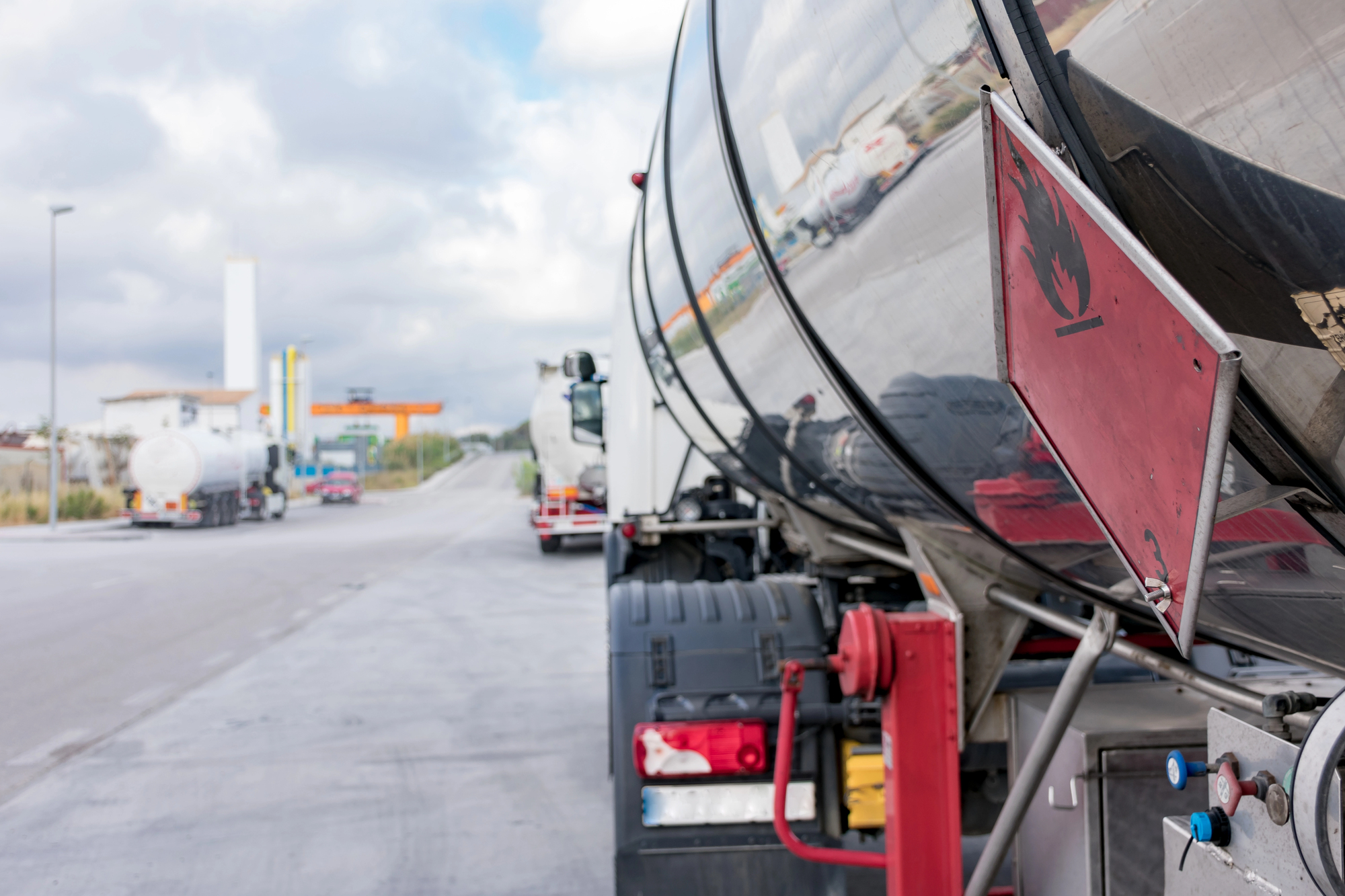
For shippers, understanding equipment compatibility is an important part of planning tanker transportation.
Power and utility shipping services require a specialty skill set that you can find at Bill Signs Trucking. From shipping to handling, we take care of all the details. With us, you can rest easy knowing that safety and quality are upheld with integrity.
How do companies move massive utility poles? By working with skilled heavy haulers, such as Bill Signs Trucking. We are masters in the heavy haul sector, supplying the exact vehicles and strategies to get these types of materials transported with precision.
We start by conjouring up a custom plan for our power utility clients, covering the paperwork, permits, and handling details. We'll make sure your materials are secured properly on one of our well-maintained trucks, and our vetted drivers will deliver them safely.
We rely on the latest management software to keep supply chains streamlined to the max. As a Bill Signs partner you'll receive regular automatic updates on your shipment status and have immediate access to communication lines within the team.
What our clients enjoy most is the peace of mind associated with knowing our company is serious about providing the best customer service. If any issues should arise, we work tirelessly to find the perfect solution that makes all parties happy. Your load is in good hands, no matter how big or small. Give us a call today to get a quote and start your journey!
Our team will be in contact shortly.
If you have any questions please
call 619-443-8300
Find answers to frequently asked questions by our customers
Yes. We support expedited utility moves where equipment availability allows, including emergency transformer and generator delivery to restore service.
Large transformers ship on Schnabel trailers, perimeter trailers, or specialized multi-axle configurations depending on weight. Route engineering covers bridge capacity, overhead clearance, and utility coordination.
Yes. Bill Signs Trucking moves power generation and utility equipment — transformers, switchgear, generators, turbines, transmission components — across the western U.S. with full permitting and escort.
For shippers, understanding equipment compatibility is an important part of planning tanker transportation.

For businesses shipping water, agricultural products, food-grade liquids, industrial liquids, and other bulk commodities, tanker transportation requires a different kind of planning.

Documentation issues, customs inspections, and communication gaps can quickly turn a scheduled delivery into an unexpected delay. Fortunately, many of the most common border delays can be avoided with proper planning and an experienced logistics partner.