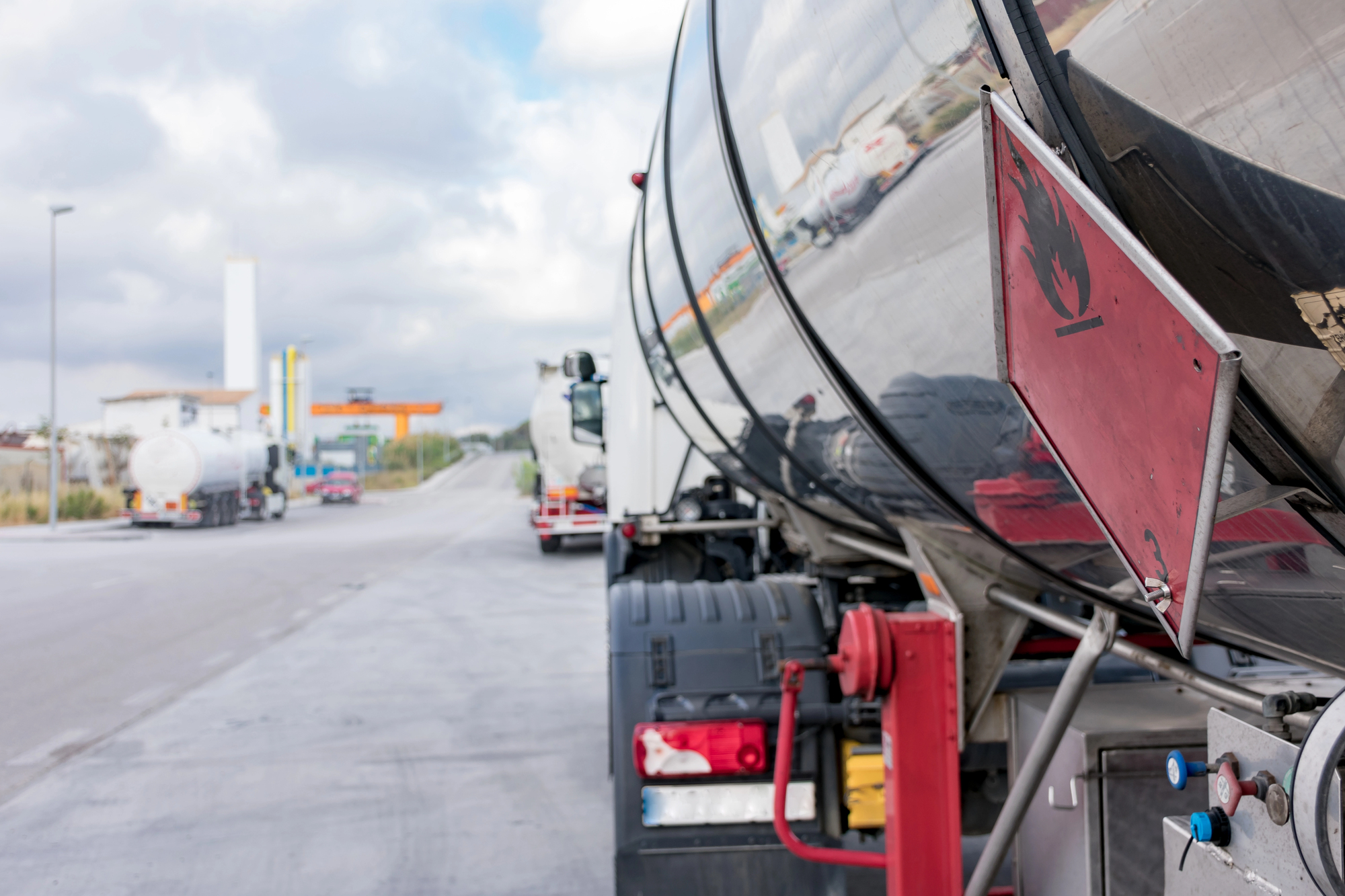
For shippers, understanding equipment compatibility is an important part of planning tanker transportation.
There are many benefits to utilizing breakbulk services, such as reducing time spent on deconstruction/ reconstruction by finding creative means to load and move cargo. Whether this is via bags, crates, barrels, boxes, or drums Bill Signs can provide the specialized equipment you need to get large/heavy cargo rolled, lifted, or pushed onto a vehicle. We have over 30 years of knowledge working in the heavy haul sector of the logistics industry, giving us an edge over the competition when it comes to creative problem solving.
Breakbulk services require more than just a strong arm. The paperwork, fees, permits, planning- this takes time and energy that can be spent running your business. Instead, leave it to the professionals at Bill Signs Trucking. We've provided breakbulk services in California for decades, and know the routine inside out. No matter how unique your scenario may be, we seen it and found a solution.
We operate across the Continental US, Canada, and Hawaii, guaranteeing the best prices! Give us a call to learn more about our breakbulk cargo services!
Find answers to frequently asked questions by our customers
Flatbeds, step decks, lowboys, and RGNs are used depending on piece weight and dimensions. Oversize pieces are permitted and escorted as required.
Yes. We move breakbulk cargo from the Ports of Long Beach, Los Angeles, and San Diego to our transloading facility or directly to consignee sites.
Containerized freight ships inside ISO containers (20', 40', 53'); breakbulk ships as loose pieces handled individually. Breakbulk is used when cargo is too large, heavy, or oddly shaped to containerize.
Breakbulk cargo is non-containerized freight shipped as individual pieces — steel coils, machinery, vehicles, lumber bundles, pipe, oversize cases. Bill Signs Trucking handles breakbulk transport and transloading from West Coast ports into final-mile delivery.
For shippers, understanding equipment compatibility is an important part of planning tanker transportation.
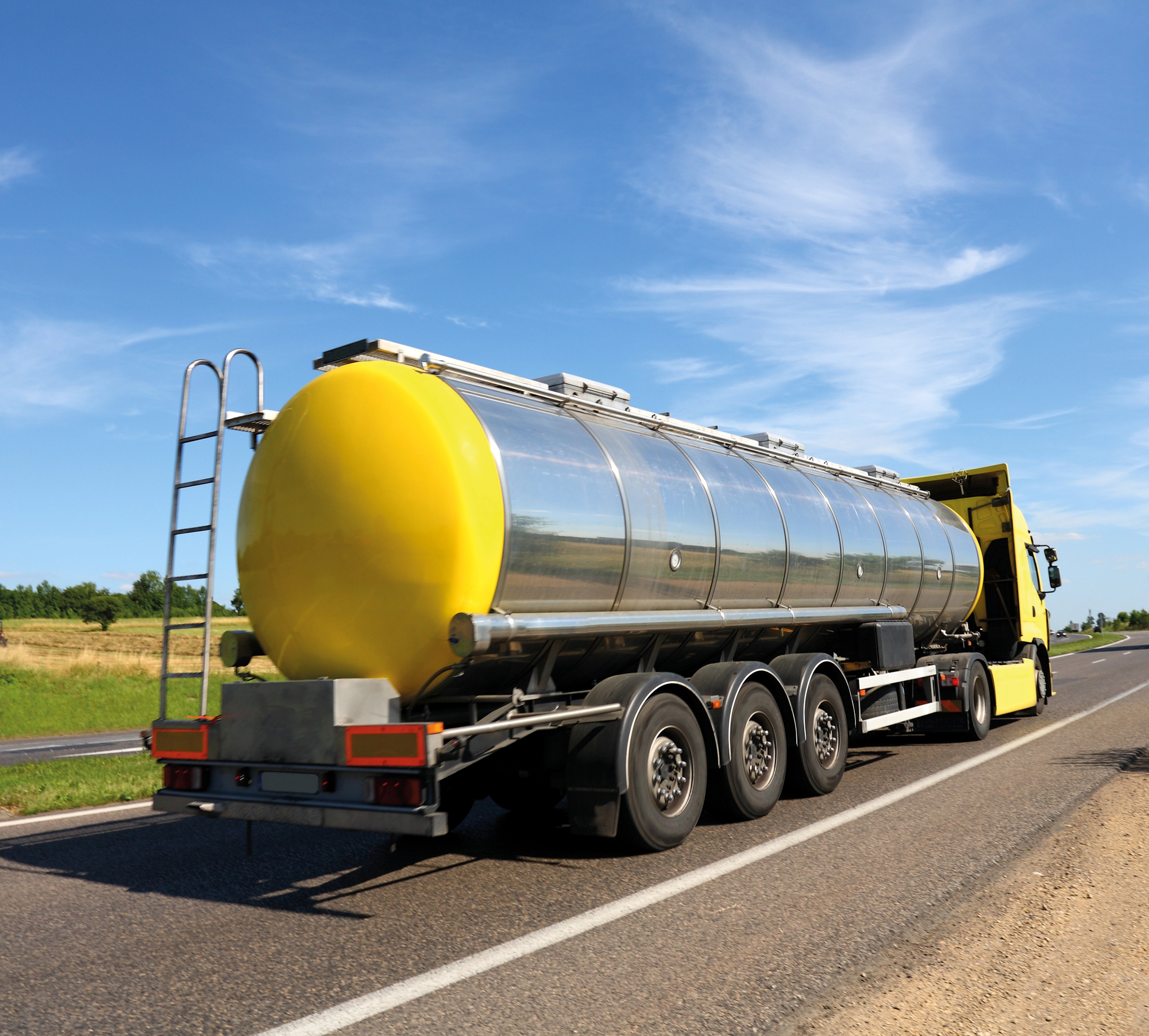
For businesses shipping water, agricultural products, food-grade liquids, industrial liquids, and other bulk commodities, tanker transportation requires a different kind of planning.

Documentation issues, customs inspections, and communication gaps can quickly turn a scheduled delivery into an unexpected delay. Fortunately, many of the most common border delays can be avoided with proper planning and an experienced logistics partner.