
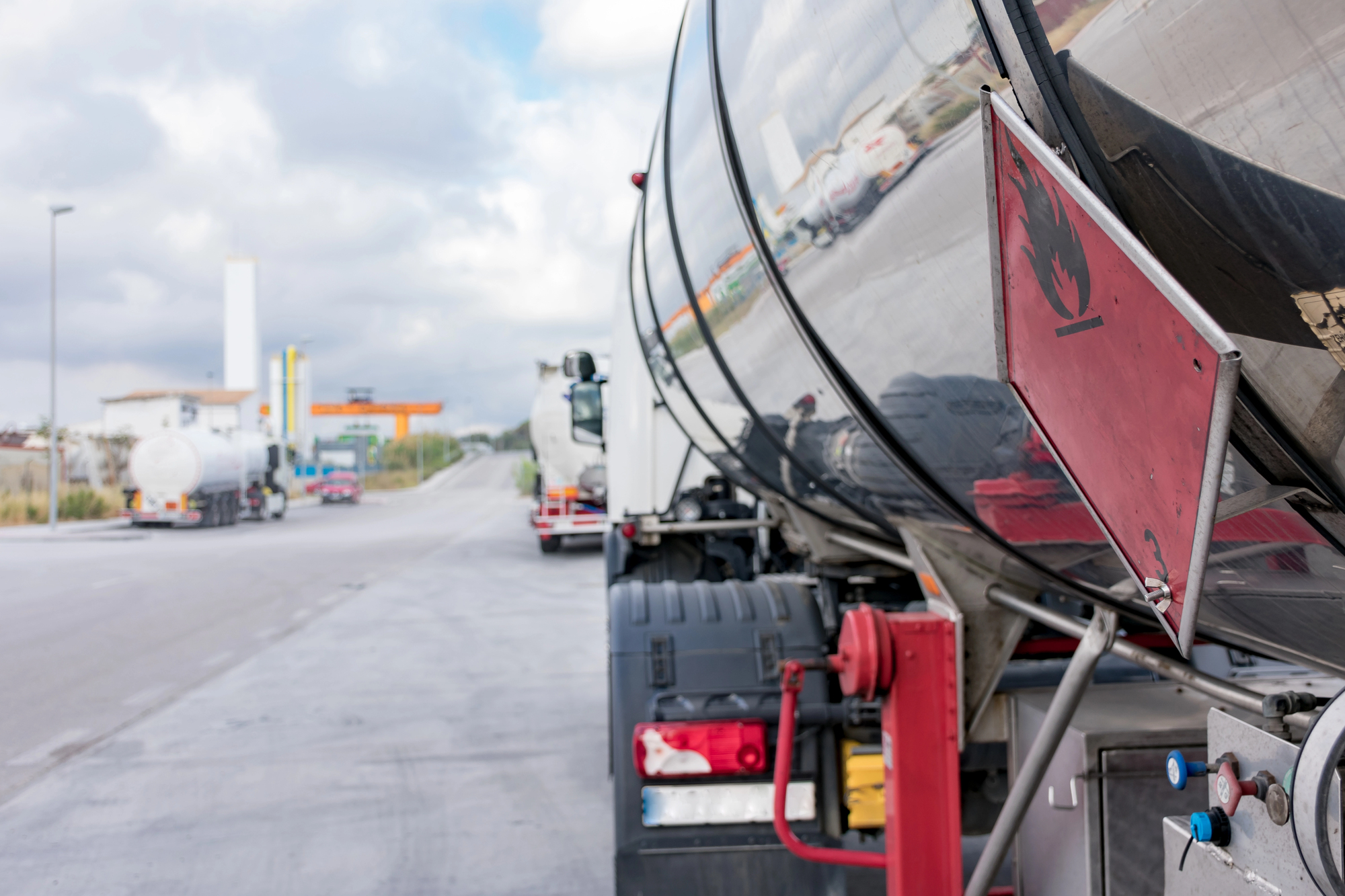
For shippers, understanding equipment compatibility is an important part of planning tanker transportation.
Bill Signs Trucking offers a broad portfolio of trucking solutions for all flatbed, stretch, step deck and double drop equipment. Our flatbed services are available across the United States, as well as, into Mexico.
If your needs fall within the Western States, we’re able to support the consolidation of freight, equipment staging, team-driver expediting, co-loading, storing of goods, reworking, and the handling of large-scale volume most anywhere.
We pride ourselves on the ability to meet compressed schedules, deliver under challenging conditions, and provide premium transportation all while offering competitive pricing. Our goal is to meet your need and help you save you money. Call today for a quote.
Find answers to frequently asked questions by our customers
Yes. Same-day and next-day flatbed dispatch is available out of San Diego and the broader Southern California region, subject to equipment availability.
Yes. Our drivers are trained in DOT cargo securement — straps, chains, edge protectors, corner boards — and we provide tarping (steel, lumber, smoke) when weather or commodity requires it.
A standard flatbed legally carries up to 48,000 lbs of cargo (80,000 lbs gross combination) at 8'6" wide and 8'6" high before permits are required. Anything beyond requires oversize/overweight permits.
A flatbed has a single deck height (~5'); a step deck drops mid-trailer for taller loads (~10'); a lowboy (or RGN) drops further (~18"–24") for the tallest, heaviest cargo. We match equipment to load dimensions and route clearance.
Flatbed trucking moves freight that cannot fit inside an enclosed trailer — including construction materials, steel, lumber, machinery, pipe, and oversize equipment. Bill Signs Trucking operates a Southern California flatbed fleet supporting commercial, industrial, and government shippers.
For shippers, understanding equipment compatibility is an important part of planning tanker transportation.
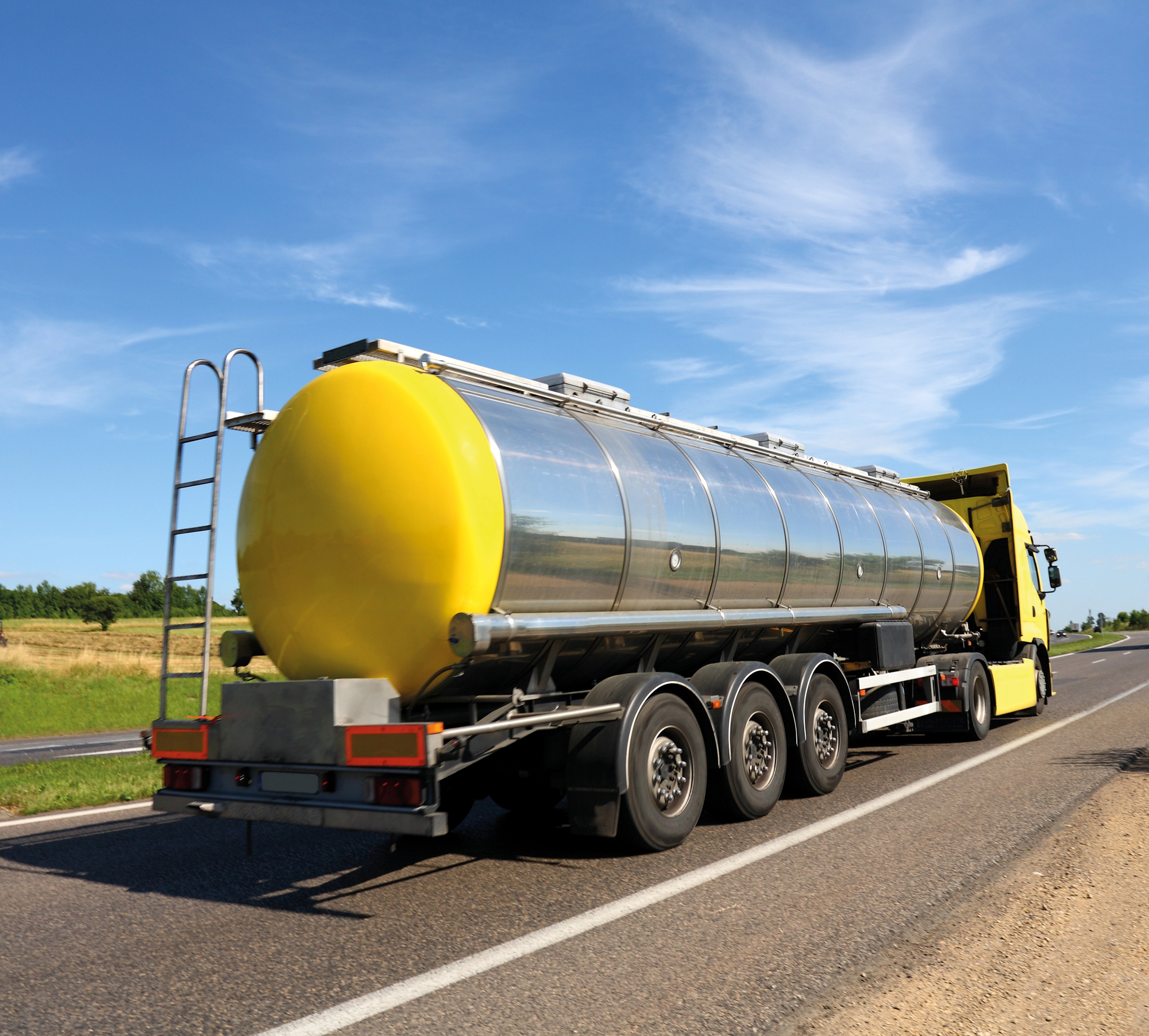
For businesses shipping water, agricultural products, food-grade liquids, industrial liquids, and other bulk commodities, tanker transportation requires a different kind of planning.
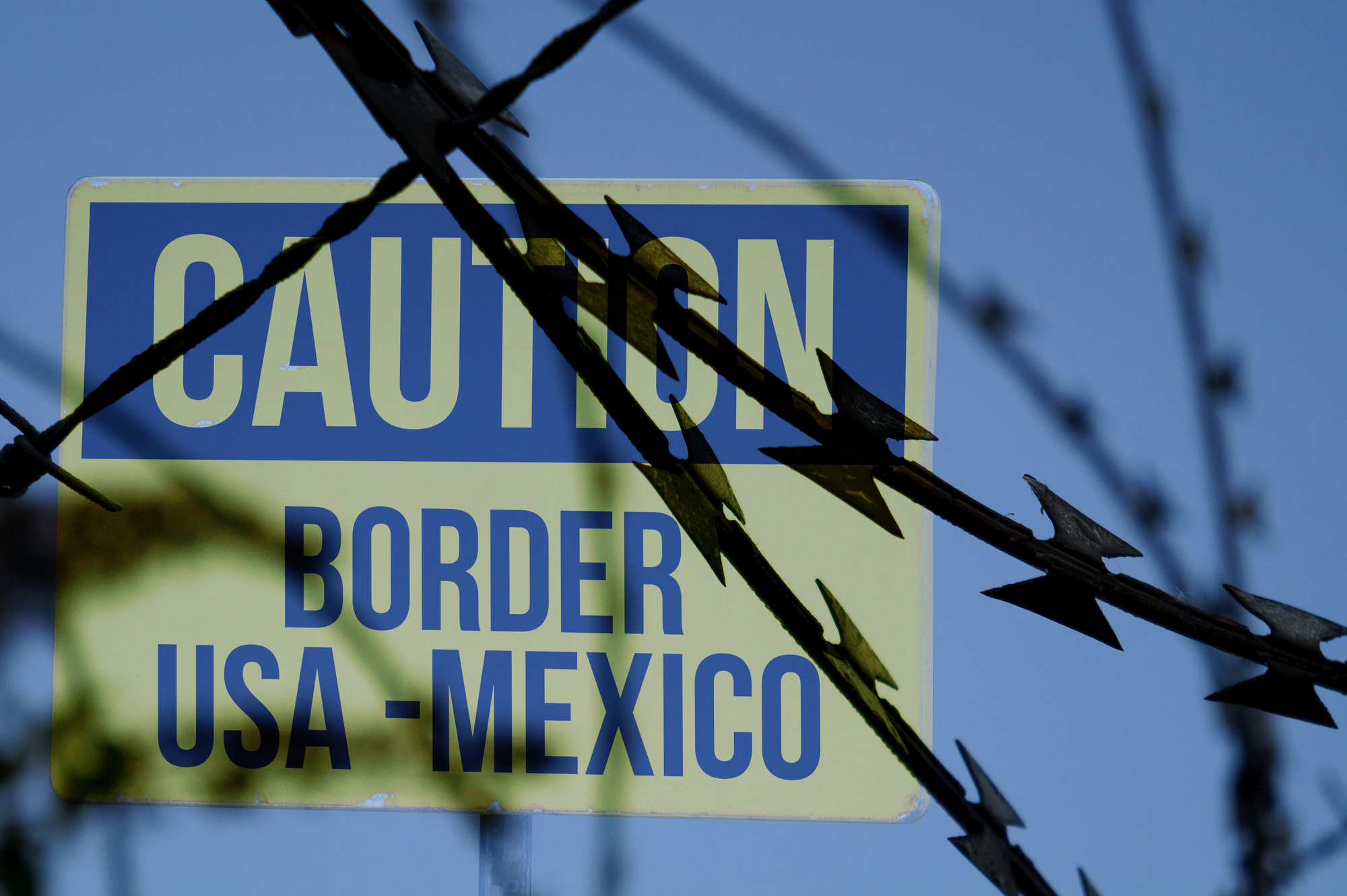
Documentation issues, customs inspections, and communication gaps can quickly turn a scheduled delivery into an unexpected delay. Fortunately, many of the most common border delays can be avoided with proper planning and an experienced logistics partner.