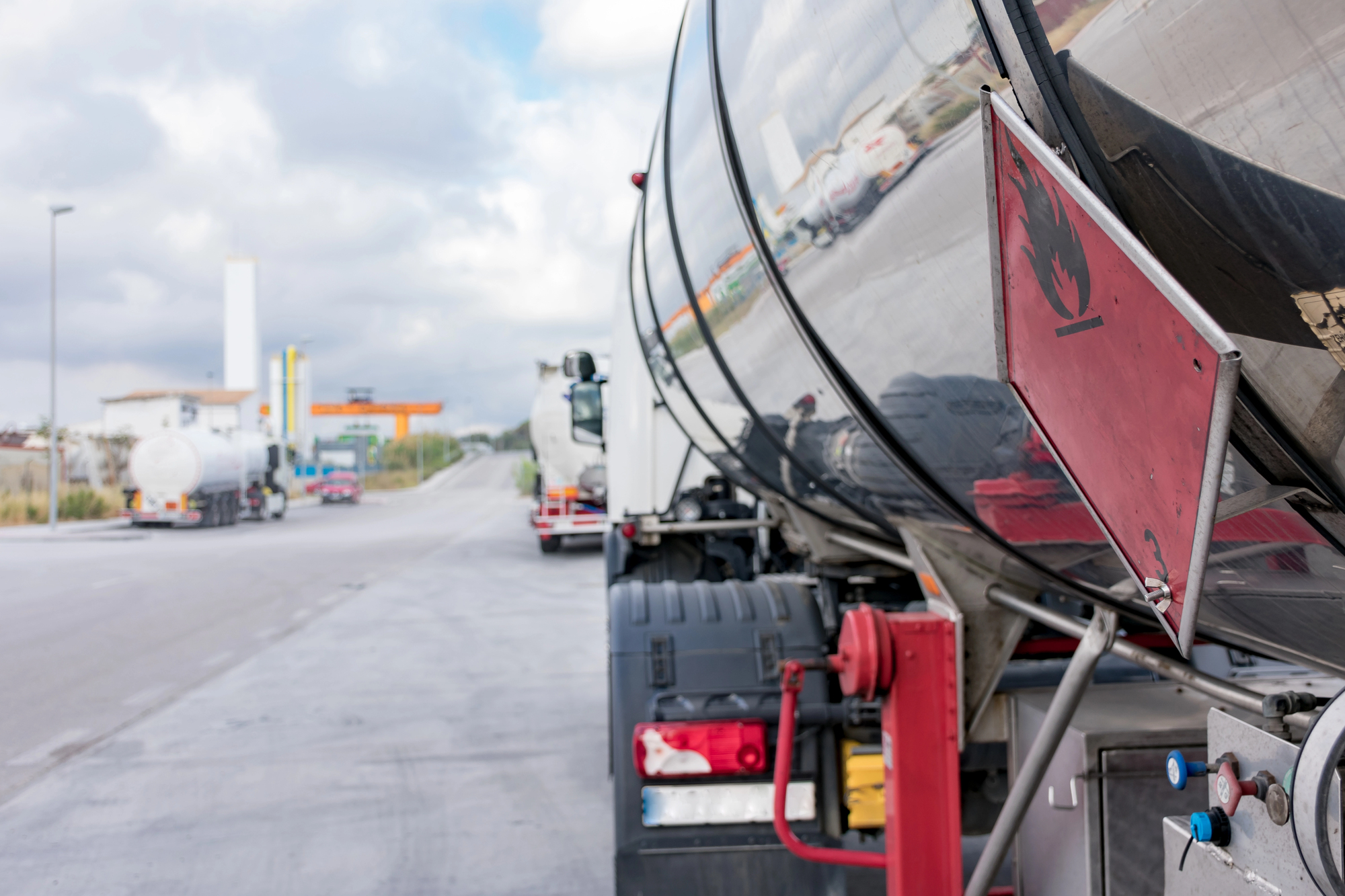
For shippers, understanding equipment compatibility is an important part of planning tanker transportation.
Choosing the best transloading and storage services for your cargo or containers is no easy task. You need a team by your side that has ample experience in the industry, a team you can count on to work efficiently and inspire trust. That's why hundreds of customers come to Bill Signs for reliability, state-of-the-art equipment, and fair rates. We have over 30 years of experience to carefully strategize with our customers and produce creative transportation solutions that ensure all needs of freight are met.
We don't mess around when it comes to protecting your precious cargo. Discover high tech management systems and meticulous security measures that keep your cargo safe and accounted for. Receive real-time updates on shipment status wherever you are- communication is in the palm of your hand. From paperwork to permits, we take care of your supply chain from the bottom up, so you can focus on running your business.
Want to learn more? Contact us to find a transloading and storage plan that works for your business.
Find answers to frequently asked questions by our customers
Our transloading and storage operations are located in the San Diego area, positioned for easy access to the Port of San Diego, Otay Mesa border crossing, and major Southern California highways.
Yes. We provide both short-term staging for in-transit freight and longer-term storage for project cargo, equipment, and overflow inventory.
Transloading transfers freight between modes (e.g., container to flatbed); cross-docking transfers freight between trucks within the same mode. Both minimize storage time but serve different supply chain needs.
Transloading is the transfer of freight from one mode of transport to another — typically ocean container to truck, or rail to truck — without long-term storage. Bill Signs Trucking operates a transloading and storage facility in the San Diego area supporting West Coast port traffic.
For shippers, understanding equipment compatibility is an important part of planning tanker transportation.
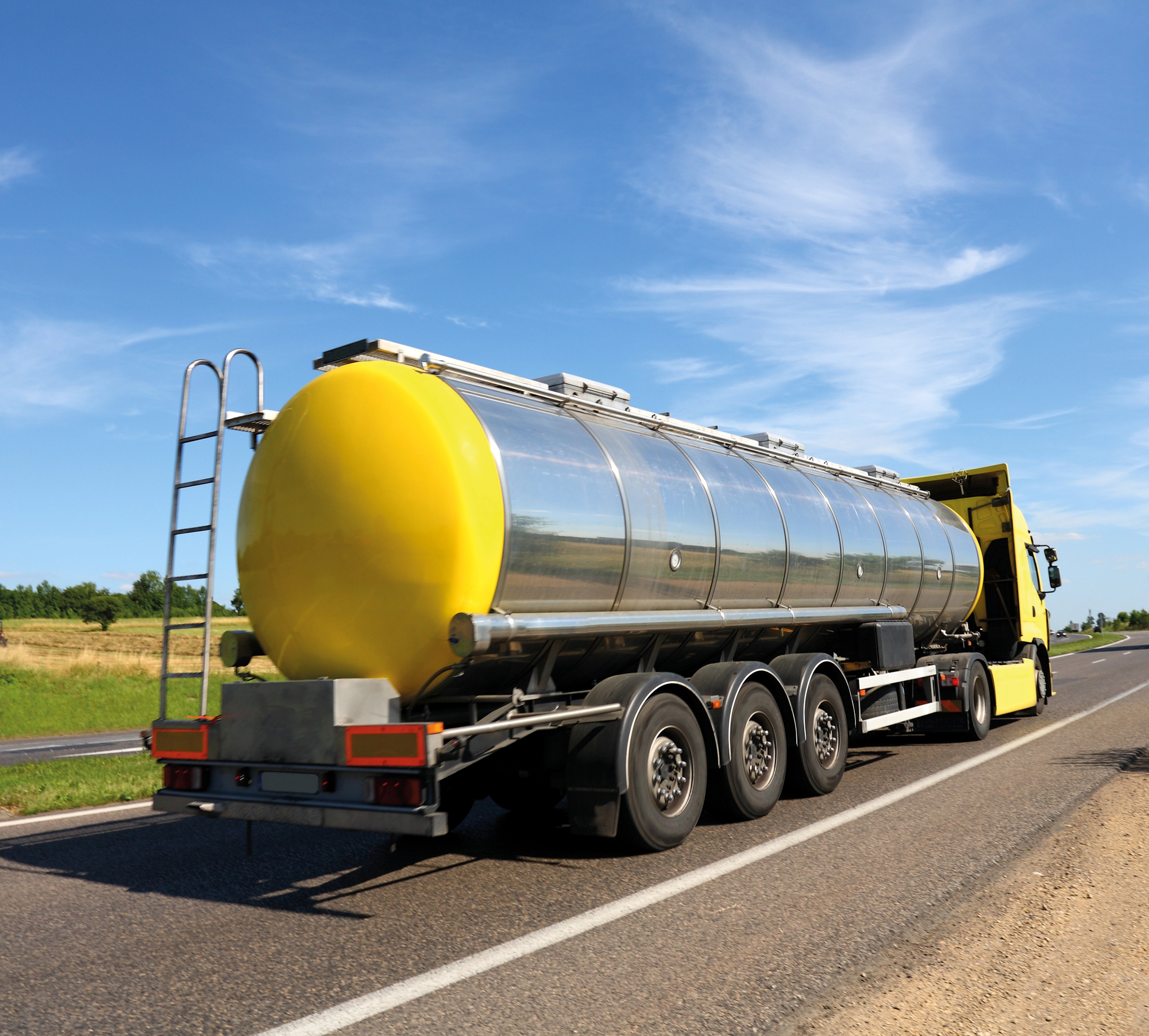
For businesses shipping water, agricultural products, food-grade liquids, industrial liquids, and other bulk commodities, tanker transportation requires a different kind of planning.

Documentation issues, customs inspections, and communication gaps can quickly turn a scheduled delivery into an unexpected delay. Fortunately, many of the most common border delays can be avoided with proper planning and an experienced logistics partner.